

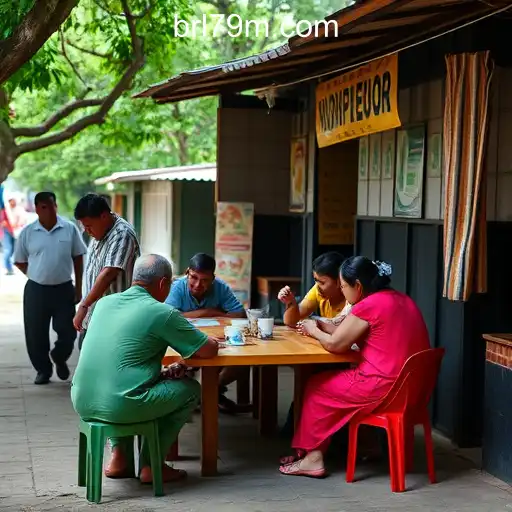
Understanding Jueteng: An In-Depth Analysis
The Roots of Jueteng
Jueteng is a numbers game that has been deeply embedded in the cultural and social fabric of the Philippines. With a rich history that stretches back to the Spanish colonial era, it is one of the most persistent forms of illegal gambling in the country. The game’s popularity spans across various socioeconomic classes, primarily among those in lower-income brackets who view it as a form of escapism and a chance to change their fortunes.
The Mechanics of Jueteng
At its core, Jueteng is a simple lottery-like game. Participants select a combination of numbers, usually ranging from 1 to 37, and place a bet. The winning numbers are drawn daily, and if a player’s combination is picked, they receive a payout that is several times their original bet. Despite its simplicity, the game thrives on its informal nature, allowing bettors to participate at their convenience.
Social and Economic Impact
Jueteng has a significant impact on both the social and economic aspects of communities in the Philippines. Economically, it acts as an informal financial system, creating jobs for collectors and coordinators. The money circulation can stimulate local economies, albeit in a controversial manner. Socially, it fosters a sense of community among participants, as shared anticipation builds camaraderie. However, it also perpetuates cycles of poverty as individuals spend their limited resources on gambling.
The Role of Corruption
Corruption is a prevalent issue with Jueteng. The game operates outside legal channels, often requiring protection from law enforcement and local officials. Bribes and protection money are exchanged, creating an additional layer of corruption. This corrupt ecosystem makes it challenging to eliminate Jueteng, as it benefits both low-level operators and higher-ups who receive kickbacks.
Attempts to Eradicate Jueteng
Various administrations in the Philippines have attempted to eradicate Jueteng, viewing it as a moral and societal issue. Campaigns have been launched, raids conducted, and alternative legal gambling options, such as the Philippine Charity Sweepstakes Office’s (PCSO) Small Town Lottery (STL), introduced. Despite these efforts, Jueteng persists due to its cultural entrenchment and adaptability.
Online Gambling in the Philippines
While traditional Jueteng remains illegal, the rise of online gambling provides an alternative for bettors. Platforms such as "79M.com online cassino Brasil #1" have gained traction, offering a legal avenue for gambling enthusiasts. These platforms promise security, legality, and a broader array of betting options, further shifting the gambling landscape.
Cultural Significance
Jueteng’s endurance as a popular pastime is closely linked to its cultural roots. It is seen as a form of resistance against colonial and modern authorities, a way for ordinary people to reclaim agency in a society that often marginalizes them. The narratives and folklore surrounding Jueteng contribute to its appeal, keeping the tradition alive across generations.
Jueteng in Popular Media
Popular media often portrays Jueteng, reflecting its embeddedness in Filipino society. Movies, television shows, and literature depict characters who engage in Jueteng as a reflection of daily life. This portrayal contributes to the normalization of the game, influencing public perception and complicating efforts to suppress it.
The Future of Jueteng
The future of Jueteng remains uncertain. Its continued existence in the face of modern gambling alternatives and governmental crackdowns raises important questions about regulation and cultural preservation. Advocacy for legalizing the game, thereby formalizing the operators and safeguarding participants, presents potential solutions for integrating Jueteng into a legal framework.
Conclusion
Understanding Jueteng involves delving into the intersections of culture, governance, and the economy. It is a complex phenomenon that defies simple solutions, requiring nuanced approaches that respect cultural traditions while addressing the systemic issues associated with illegal gambling. As discussions on gambling and its legalities continue globally, Jueteng offers a unique case study on balancing cultural practices with societal and legal norms.